

dr-avul-pakir-jainulabdeen-abdul-kalam fondly known as the “Missile Man of India,” was one of India’s most inspiring leaders, scientists, and visionaries. Born on 15 October 1931 in the small coastal town of Rameswaram, Tamil Nadu, into a humble family, Dr. Kalam rose from modest beginnings to become one of the most respected and beloved figures in modern India. His father was a boat owner and imam, and young Kalam contributed to his family’s income by distributing newspapers while attending school. Despite financial hardships, his unwavering determination and thirst for knowledge set the foundation for an extraordinary life.
Dr. Kalam graduated in aerospace engineering from the Madras Institute of Technology and went on to join the Defence Research and Development Organisation (DRDO) and later the Indian Space Research Organisation (ISRO). At ISRO, he played a pivotal role in India’s space program, including the successful launch of the SLV-III, India’s first satellite launch vehicle. Later, he spearheaded India’s missile development programs at DRDO, earning him the title of “Missile Man” for his contribution to the development of ballistic missiles like Agni and Prithvi.
His work and vision extended beyond science and technology. Dr. Kalam was a firm believer in youth empowerment, education, and nation-building through innovation and integrity. In 2002, he was elected as the 11th President of India, serving until 2007. Popularly called the “People’s President,” he brought dignity, simplicity, and accessibility to the office, inspiring millions through his humility and wisdom.
Even after his presidency, dr-avul-pakir-jainulabdeen-abdul-kalam remained dedicated to teaching and motivating young minds. He authored several influential books, including Wings of Fire, Ignited Minds, and India 2020, which continue to inspire readers to dream big and work hard for the nation’s progress.
dr-avul-pakir-jainulabdeen-abdul-kalam passed away on 27 July 2015, while delivering a lecture at IIM Shillong, a testament to his lifelong commitment to education. His life remains a shining example of how perseverance, knowledge, and service can transform an individual into a national hero and a global icon.
In this blog, we will delve into every facet of Dr. A.P.J. Abdul Kalam’s life, from his humble family background to his remarkable professional achievements. Whether you’re a lifelong admirer or just curious about the inspiring figure that is Dr. Kalam, this comprehensive biography covers it all.
Who is dr-avul-pakir-jainulabdeen-abdul-kalam?
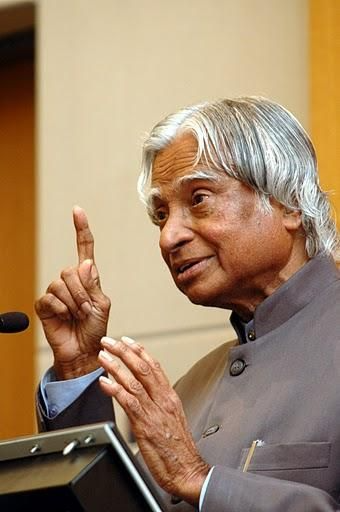
Dr. Avul Pakir Jainulabdeen Abdul Kalam, popularly known as the “Missile Man of India”, was a renowned Indian aerospace scientist, engineer, author, and the 11th President of India (2002–2007). Born on October 15, 1931, in Rameswaram, Tamil Nadu, Kalam rose from a humble background to become one of India’s most respected and inspiring leaders.
Kalam made groundbreaking contributions to India’s space and missile programs as part of the Indian Space Research Organisation (ISRO) and the Defence Research and Development Organisation (DRDO). He played a pivotal role in India’s Pokhran-II nuclear tests in 1998, earning him national and international acclaim. His vision for India as a developed nation, outlined in his books like Wings of Fire and India 2020, inspired millions.
In 2002, he was elected as the President of India with broad support across political parties. Known as the “People’s President”, he remained deeply connected to the youth, emphasizing education, innovation, and moral values.
Even after his presidency, Kalam continued to engage with students and educators until his last moments — he passed away on July 27, 2015, while delivering a lecture at IIM Shillong.
dr-avul-pakir-jainulabdeen-abdul-kalam journey from a small town in Tamil Nadu to Rashtrapati Bhavan and beyond exemplifies perseverance, humility, and an unyielding dedication to the nation and its people.
Dr. A.P.J. Abdul Kalam: Wikipedia Overview
| Real Name | Avul Pakir Jainulabdeen Abdul Kalam |
|---|---|
| Age (at death) | 83 years (1931–2015) |
| Date of Birth | October 15, 1931 |
| Place of Birth | Rameswaram, Tamil Nadu, India |
| Date of Death | July 27, 2015 |
| Place of Death | Shillong, Meghalaya, India |
| Gender | Male |
| Zodiac Sign | Libra |
| Nationality | Indian |
| Religion | Islam |
| Ethnicity | Tamil Muslim |
| Height | Approx. 5 feet 5 inches (165 cm) |
| Education | Madras Institute of Technology (Aeronautical Engineering) |
| Profession | Scientist, Engineer, Author, President |
| Spouse | Never married |
| Family | Father: Jainulabdeen; Mother: Ashiamma |
| Famous For | Missile development, Pokhran-II, Presidency |
| Net Worth | Modest (lived a simple life) |
Dr. A.P.J. Abdul Kalam: Parents & Siblings
dr-avul-pakir-jainulabdeen-abdul-kalam was born into a humble Tamil Muslim family. His father, Jainulabdeen, was a boat owner and imam at a local mosque, while his mother, Ashiamma, was a homemaker known for her kindness and simplicity.
Kalam grew up in a modest household with four elder brothers and one elder sister. Despite financial hardships, his family instilled in him values of honesty, hard work, and spirituality. His upbringing on the shores of Rameswaram, surrounded by devotion and discipline, shaped his character and world view.
Dr. A.P.J. Abdul Kalam: Nationality, Ethnicity, and Religion
dr-avul-pakir-jainulabdeen-abdul-kalam was an Indian citizen, born and raised in Rameswaram, Tamil Nadu, on the southern coast of India. His nationality was Indian, and throughout his life, he passionately served his country in both scientific and administrative capacities.
Ethnically, he belonged to the Tamil Muslim community, with deep roots in the cultural traditions of Tamil Nadu.
In terms of religion, Dr. Kalam was a devout Muslim who observed prayers and followed Islamic practices. At the same time, he deeply respected all religions and often quoted the Bhagavad Gita, Bible, and Quran in his speeches, emphasizing communal harmony and universal brotherhood.
While his professional and public life focused on science and development, his personal faith and values provided him with strength and humility.
From a newspaper boy to the President of India
dr-avul-pakir-jainulabdeen-abdul-kalam life story is a remarkable testament to how determination, education, and vision can overcome adversity. Starting as a young boy selling newspapers to support his family, he rose to lead India’s most ambitious scientific projects and became the head of state.
Known for his simplicity, wisdom, and dedication to youth, Dr. A.P.J. Abdul Kalam remains a symbol of inspiration, patriotism, and humanity for millions worldwide.
A.P.J. Abdul Kalam: Physical Appearance
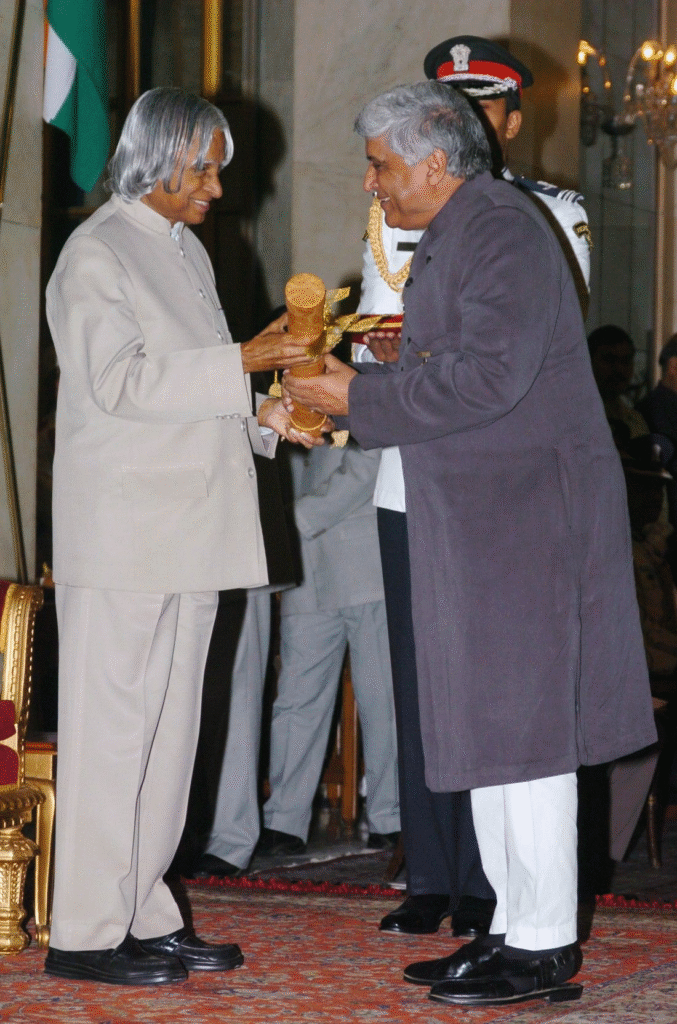
| Height | 5 ft 5 in (165 cm) |
| Weight | Approx. 60 kg (132 lbs) |
| Eye Color | Black |
| Hair Color | Black (turned grey/white with age) |
| Body Type | Slim, with a modest and simple demeanor reflecting his humble personality. |
dr-avul-pakir-jainulabdeen-abdul-kalam: Age
Dr. Avul Pakir Jainulabdeen Abdul Kalam was born on October 15, 1931, in Rameswaram, Tamil Nadu, India. He passed away on July 27, 2015, at the age of 83, while delivering a lecture at the Indian Institute of Management Shillong. His life journey from a small-town boy to the 11th President of India remains an inspiration for millions.
dr-avul-pakir-jainulabdeen-abdul-kalam: Height & Weight
dr-avul-pakir-jainulabdeen-abdul-kalam stood at approximately 5 feet 5 inches (165 cm) tall and weighed around 60 kilograms (132 lbs). His unassuming physical appearance reflected his grounded nature despite his towering achievements in science and public service.
dr-avul-pakir-jainulabdeen-abdul-kalam: Eye & Hair Color
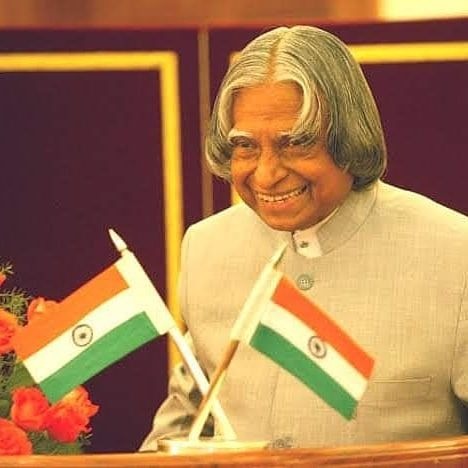
dr-avul-pakir-jainulabdeen-abdul-kalam had black eyes and black hair, which turned grey and white as he aged. His distinctive wavy hair became a recognizable part of his public image, often complemented by his gentle smile and thoughtful eyes.
A.P.J. Abdul Kalam: Educational Background
dr-avul-pakir-jainulabdeen-abdul-kalam education began in Rameswaram, where he attended Schwartz Higher Secondary School. He went on to study Physics at St. Joseph’s College, Tiruchirappalli, graduating in 1954. Driven by a fascination for flight and aeronautics, he enrolled at the Madras Institute of Technology (MIT), where he specialized in aeronautical engineering and graduated in 1960.
His educational journey laid the foundation for his legendary career in aerospace engineering and missile technology.
A.P.J. Abdul Kalam: Career Overview
Early Career
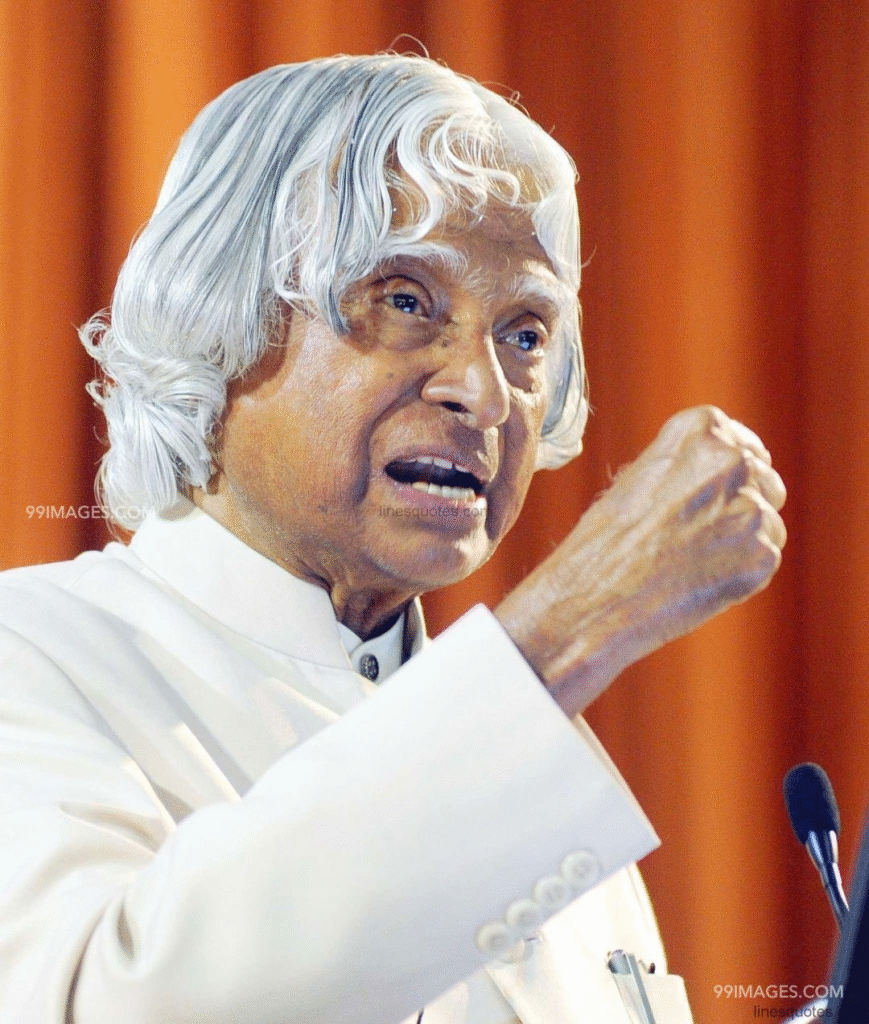
After graduating from MIT, Kalam joined the Defense Research and Development Organization (DRDO) as a scientist. In 1969, he moved to the Indian Space Research Organisation (ISRO), where he served as project director of India’s first satellite launch vehicle (SLV-III), which successfully deployed the Rohini satellite into orbit in 1980.
Missile Man of India
Returning to DRDO in the 1980s, Kalam spearheaded India’s Integrated Guided Missile Development Programme (IGMDP), earning him the title “Missile Man of India”. He played key roles in developing the Agni and Prithvi missiles.
Nuclear Tests
In 1998, he was a key figure in India’s Pokhran-II nuclear tests, which established India as a nuclear power.
Presidency
In 2002, dr-avul-pakir-jainulabdeen-abdul-kalam was elected as the 11th President of India, serving from 2002 to 2007. Known as the “People’s President,” he was admired for his accessibility, humility, and dedication to youth and education.
Post-Presidency
After his presidency, Kalam continued to travel extensively, delivering lectures and inspiring students across the country. His vision for India’s development, outlined in his book “India 2020: A Vision for the New Millennium”, continues to influence policy and public thought.
A.P.J. Abdul Kalam: Net Worth
dr-avul-pakir-jainulabdeen-abdul-kalam lived a simple and frugal life. He did not accumulate personal wealth and donated much of his salary and royalties to charity. At the time of his passing, he owned few personal possessions, reflecting his dedication to service and simplicity. His true legacy lies in his immense contributions to science, defense, education, and public life.
A.P.J. Abdul Kalam: Family & Personal Life
Born into a Tamil Muslim family, Kalam’s father Jainulabdeen was a boat owner and imam, while his mother Ashiamma was a homemaker. He was the youngest of five siblings. Though he remained unmarried throughout his life, Kalam considered the children and youth of India his extended family, dedicating his life to their education and progress.
A.P.J. Abdul Kalam: Awards & Recognition
dr-avul-pakir-jainulabdeen-abdul-kalam received numerous prestigious awards, including:
- Bharat Ratna (India’s highest civilian award, 1997)
- Padma Vibhushan (1990)
- Padma Bhushan (1981)
- King Charles II Medal by the Royal Society, UK
- Honorary doctorates from over 40 universities worldwide
He was also known for his inspirational books, such as Wings of Fire (autobiography), Ignited Minds, and My Journey.
A.P.J. Abdul Kalam: Legacy
dr-avul-pakir-jainulabdeen-abdul-kalam remains a beloved figure in India and across the world. His contributions as a scientist, teacher, statesman, and humanist continue to inspire generations. His birthday, October 15, is observed as World Students’ Day in his honor.
He passed away on July 27, 2015, doing what he loved most — teaching — leaving behind a shining example of humility, dedication, and vision.
A.P.J. Abdul Kalam: Biography
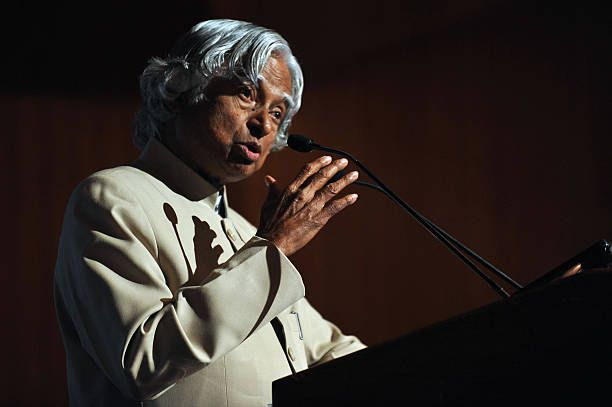
Avul Pakir Jainulabdeen Abdul Kalam was born on October 15, 1931, in Rameswaram, Tamil Nadu, India. He grew up in a humble household as the youngest of five siblings, with his father Jainulabdeen working as a boat owner and imam, and his mother Ashiamma as a homemaker. From an early age, Kalam displayed curiosity and a love for learning, which drove him to excel in his studies despite financial hardships. He completed his schooling in Rameswaram, then earned a degree in physics from St. Joseph’s College, Tiruchirappalli, before pursuing aerospace engineering at the prestigious Madras Institute of Technology (MIT).
After graduating, Kalam began his career in 1960 at the Defense Research and Development Organization (DRDO) as a scientist. He later joined the Indian Space Research Organisation (ISRO), where he served as the project director of India’s first satellite launch vehicle, successfully deploying the Rohini satellite in 1980. His work in missile development during the 1980s earned him the nickname “Missile Man of India”. He was also a key figure in India’s 1998 Pokhran-II nuclear tests, which established India as a nuclear power.
In 2002, dr-avul-pakir-jainulabdeen-abdul-kalam was elected as the 11th President of India, serving until 2007. Known as the “People’s President,” he was admired for his simplicity, accessibility, and dedication to inspiring young people. After his presidency, Kalam continued to travel, write, and lecture, focusing on his vision of transforming India into a developed nation.
In addition to his scientific and political achievements, Kalam was a prolific author, writing books such as Wings of Fire, Ignited Minds, and India 2020, which continue to inspire generations. He also advocated strongly for education, innovation, and youth empowerment.
On July 27, 2015, while delivering a lecture at the Indian Institute of Management Shillong, Kalam suffered a cardiac arrest and passed away at the age of 83. He left behind a legacy of humility, service, and vision that continues to resonate across India and the world.
dr-avul-pakir-jainulabdeen-abdul-kalam remains one of India’s most respected and beloved figures — a scientist, statesman, teacher, and role model whose life demonstrated the power of hard work, knowledge, and dreams.
At ISRO, Kalam and his team developed India’s first satellite launch vehicle (SLV-III), which successfully placed the Rohini satellite into Earth’s orbit in 1980. This was a historic moment — India had entered the elite group of space-faring nations.
Later, he led the Integrated Guided Missile Development Programme (IGMDP) and developed India’s most important missiles:
- Agni: the long-range missile
- Prithvi: the surface-to-surface missile
These achievements earned him the title of Missile Man of India. His work gave India confidence in its defense technology and inspired generations of scientists.
A.P.J. Abdul Kalam: Social Media Accounts
| Platform | Username / Handle |
|---|---|
| @APJAbdulKalam | |
| @OfficialAPJAbdulKalam | |
| N/A (not active) | |
| YouTube | N/A (not active) |
Interesting Facts About Dr. A.P.J. Abdul Kalam
- dr-avul-pakir-jainulabdeen-abdul-kalam was born on October 15, 1931, in Rameswaram, Tamil Nadu, India.
- He is known as the “Missile Man of India” for his contribution to India’s missile and space programs.
- He played a pivotal role in India’s Pokhran-II nuclear tests in 1998.
- Kalam served as the 11th President of India from 2002 to 2007.
- He was a brilliant aerospace scientist who worked at ISRO and DRDO, developing ballistic missiles and launch vehicle technology.
- Despite his humble background, Kalam rose to become one of India’s most respected leaders and scientists.
- He was also an author, writing inspirational books like Wings of Fire, Ignited Minds, and India 2020.
- Known for his simplicity, he lived modestly even as President and donated most of his earnings to charitable causes.
- Kalam was awarded India’s highest civilian honor, the Bharat Ratna, in 1997.
- He was passionate about teaching and continued to lecture and interact with students even after retiring from public office.
- Kalam passed away on July 27, 2015, while delivering a lecture at the Indian Institute of Management, Shillong.
- He believed strongly in youth empowerment and often called children and students the future of the nation.
- His vision for a developed India by 2020 inspired millions of Indians.
- He was also known as the “People’s President”, beloved by people across all walks of life.
- Even after his death, Kalam remains one of the most admired figures in modern Indian history.
Dr. A.P.J. Abdul Kalam – Final Words
dr-avul-pakir-jainulabdeen-abdul-kalam life is a shining example of how determination, hard work, and humility can transform a person from modest beginnings into a global inspiration. From a newspaper boy in Rameswaram to the President of the world’s largest democracy, his journey epitomizes the power of dreams and education. He left behind not just scientific advancements but also a legacy of optimism and faith in the youth of India. His teachings continue to inspire millions to dream big, work hard, and serve humanity with honesty and compassion. Dr. Kalam remains a timeless role model, proving that true greatness lies in serving others selflessly while staying grounded in one’s values.
FAQs About Dr. A.P.J. Abdul Kalam
Who was Dr. A.P.J. Abdul Kalam?
dr-avul-pakir-jainulabdeen-abdul-kalam was an Indian aerospace scientist, author, and statesman who served as the 11th President of India.
How old was Dr. Kalam when he passed away?
dr-avul-pakir-jainulabdeen-abdul-kalam was 83 years old when he died on July 27, 2015.
What is Dr. Kalam’s full name?
His full name was Avul Pakir Jainulabdeen Abdul Kalam.
Where was Dr. Kalam from?
dr-avul-pakir-jainulabdeen-abdul-kalam was born in the town of Rameswaram, Tamil Nadu, India.
What was Dr. Kalam’s profession before becoming President?
dr-avul-pakir-jainulabdeen-abdul-kalamwas an aerospace scientist and worked with ISRO and DRDO, contributing to India’s missile and nuclear programs.
Was Dr. Kalam married?
No, Dr. Kalam never married. He dedicated his life to science, teaching, and public service.
What is Dr. Kalam known as?
He is popularly known as the Missile Man of India and the People’s President.
Which books did Dr. Kalam write?
Some of his famous books include Wings of Fire, Ignited Minds, India 2020, and Turning Points.
What awards did Dr. Kalam receive?
He was honored with numerous awards, including the Bharat Ratna, India’s highest civilian award, in 1997.
How did Dr. Kalam die?
dr-avul-pakir-jainulabdeen-abdul-kalam passed away due to a cardiac arrest while delivering a lecture at IIM Shillong.
What was Dr. Kalam’s vision for India?
dr-avul-pakir-jainulabdeen-abdul-kalam vision was to see India become a developed nation by 2020, focusing on technology, education, and youth empowerment.
Why is Dr. Kalam called the People’s President?
Because of dr-avul-pakir-jainulabdeen-abdul-kalam humble nature, accessibility, and connection with common people, he earned immense love and respect from all Indians.
Did Dr. Kalam inspire students?
Yes, dr-avul-pakir-jainulabdeen-abdul-kalam was deeply committed to inspiring students and youth, often saying, “Dream, dream, dream. Dreams transform into thoughts and thoughts result in action.”
What is Dr. Kalam’s zodiac sign?
His zodiac sign was Libra.
.
Why People Loved Him
Dr. Kalam was more than just a scientist, leader, or President. He was a symbol of humility, honesty, and humanity.
People loved him because he lived simply, cared for others, and always put the country before himself. He showed everyone that greatness comes not from power or money, but from knowledge, kindness, and hard work.
He proved that even a poor boy from a small town could rise to the highest office of the land — if he dared to dream big.
