

When we talk about leaders who are not just successful but also kind, humble, and deeply loved by the people, one name shines above all — Ratan Naval Tata. He is not only a legendary businessman who transformed the Tata Group into a global powerhouse but also a man with a golden heart, who believes that wealth means nothing if it cannot serve humanity.
His story is not just about numbers, profits, or business deals. His story is about emotions, values, and courage to dream big while staying grounded. This is the inspiring and emotional journey of Ratan Tata — the man who taught India that business can also be about compassion.
In this blog, we will delve into every facet of Ratan Tata’s life, from his family background to his professional achievements. Whether you’re a business enthusiast, a philanthropist at heart, or simply curious about the legend that is Ratan Tata, this comprehensive biography covers it all.
Who is Ratan Tata?
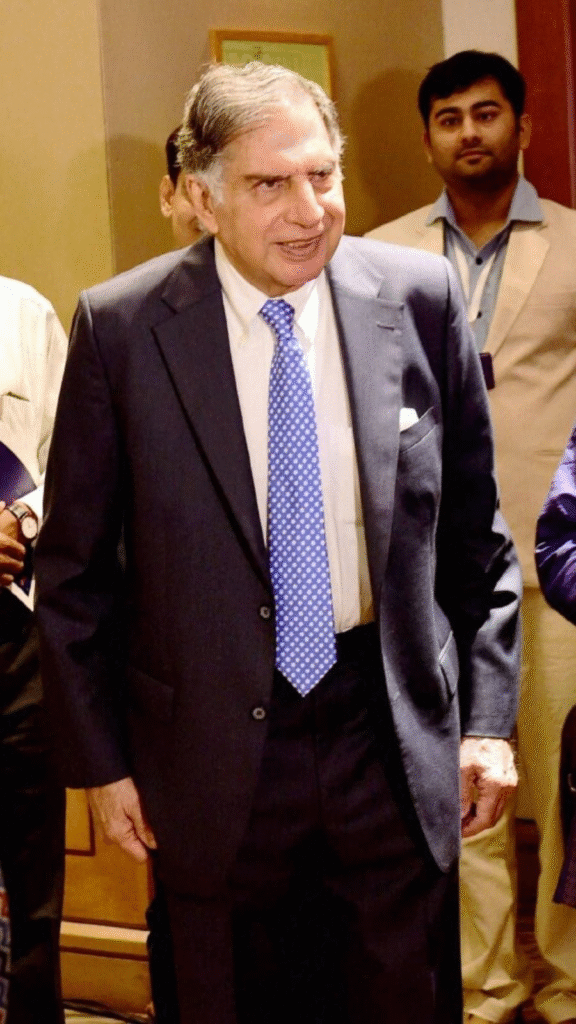
Ratan Naval Tata is one of India’s most respected industrialists and philanthropists, celebrated globally for his visionary leadership and humility. Born on December 28, 1937, in Mumbai, India, he is the son of Naval Tata and Sooni Tata. Ratan comes from the illustrious Tata family, pioneers of Indian industry, though his parents separated when he was young. Raised by his grandmother, Lady Navajbai Tata, Ratan grew up imbued with strong values of integrity, service, and excellence.
Ratan Tata attended the Cathedral and John Connon School in Mumbai, later completing his higher studies at Cornell University in architecture and structural engineering. He also completed the Advanced Management Program at Harvard Business School in 1975. Despite his privileged background, he started his career humbly, working on the shop floors of Tata Steel.
In 1991, Ratan Tata became the Chairman of the Tata Group, succeeding J.R.D. Tata. Over the next two decades, he transformed the conglomerate into a global powerhouse. Under his leadership, Tata Group acquired iconic international brands like Jaguar Land Rover and Tetley Tea, launched the world’s cheapest car—the Tata Nano, and expanded operations in over 100 countries. His vision was not just about profits but also about nation-building and sustainable growth.
Beyond business, Ratan Tata is renowned for his philanthropy. Through the Tata Trusts, he has funded initiatives in education, healthcare, rural development, and disaster relief. He played a key role in establishing premier institutions like the Indian Institute of Science and the Tata Memorial Hospital.
Ratan Tata is known for his modesty, often shunning the limelight despite his immense achievements. Never married, he has dedicated his life to service and industry. Today, he remains an inspiration for millions, exemplifying leadership with empathy, ethics, and innovation.
From a young boy raised by his grandmother to becoming a titan of industry and a beacon of philanthropy, Ratan Tata’s journey is a testament to the power of vision, humility, and service to humanity.
Ratan Tata: Wikipedia Overview
| Real Name | Ratan Naval Tata |
|---|---|
| Age | 87 years (as of 2025) |
| Date of Birth | December 28, 1937 |
| Place of Birth | Mumbai, India |
| Gender | Male |
| Zodiac Sign | Capricorn |
| Nationality | Indian |
| Religion | Zoroastrian (Parsi) |
| Ethnicity | Parsi (Zoroastrian) |
| Height | 5 feet 10 inches (178 cm) |
| Weight | Approx. 75 kg (165 lbs) |
| Education | Cornell University (Architecture & Management) |
| Profession | Industrialist, Philanthropist |
| Spouse | Unmarried |
| Family | Father: Naval Tata; Mother: Sooni Tata; Brother: Jimmy Tata |
| Famous For | Expanding Tata Group globally, philanthropy |
| Net Worth | Estimated $1 billion (personal) |
Ratan Tata: Parents & Siblings
Ratan Tata was born on December 28, 1937, into one of India’s most prominent industrialist families, the Tata family. His father, Naval Tata, was a respected businessman, adopted into the Tata family by Lady Navajbai Tata and Sir Ratanji Tata after the early death of his biological father. Ratan’s mother, Sooni Tata, came from the influential Petit family, another prominent Parsi lineage. However, Ratan’s childhood was not without challenges. His parents’ marriage was troubled, and they separated when Ratan was just 10 years old.
After the separation, custody of young Ratan and his younger brother, Jimmy Tata, was given to their paternal grandmother, Lady Navajbai Tata. She raised them at her home in Bombay (now Mumbai), providing them with a nurturing but disciplined upbringing, deeply rooted in the Parsi values of integrity, modesty, and service to others. Lady Navajbai was known to be a strong influence in Ratan’s formative years, instilling in him the principles of humility and social responsibility that would later define his leadership style.
Ratan Tata shares a close bond with his half-brother, Noel Tata, the son of Naval Tata and his second wife, Simone Tata. Noel grew up to become a successful businessman in his own right, heading several Tata Group companies. Ratan and Noel are often seen together at family and corporate events, reflecting a cordial and supportive relationship.
Ratan’s biological brother, Jimmy Tata, has always preferred a quiet, private life, shunning the limelight entirely. Little is publicly known about Jimmy, though it is clear he chose to remain away from the family business and media attention.
Together, Ratan’s family story reflects both privilege and the quiet dignity of a close-knit yet private family.
Nationality, Ethnicity, and Religion
Ratan Tata is proudly Indian by nationality, born and raised in Bombay (now Mumbai), Maharashtra, on December 28, 1937. He belongs to the Parsi community, an ethnoreligious group of Persian origin that migrated to India centuries ago to preserve their faith and way of life. Parsis are a small but influential minority in India, known for their progressive values, business acumen, and philanthropy, and the Tata family is among the most prominent examples of these traditions.
Ratan Tata has often spoken with quiet pride about his heritage, which emphasizes integrity, modesty, and service to society — traits he has embodied throughout his life and career. Religiously, Ratan Tata is a follower of Zoroastrianism, one of the world’s oldest monotheistic religions, founded by the prophet Zoroaster in ancient Persia. Though Zoroastrians today form a tiny fraction of India’s population, they continue to maintain their customs and rituals. Ratan has been seen visiting fire temples, which are sacred places of worship for Zoroastrians, particularly on important occasions.
His deep respect for his Parsi roots and Zoroastrian beliefs has shaped not only his personal character but also his approach to leadership, philanthropy, and social responsibility, staying true to his cultural and spiritual identity while leading India’s most iconic business conglomerate on a global stage.
Ratan Tata: Physical Appearance
| Attribute | Details |
|---|---|
| Height | 5 ft 10 in (178 cm) |
| Weight | Approximately 165 lbs (75 kg) |
| Eye Color | Dark Brown |
| Hair Color | Grey |
| Body Type | Slim and dignified |
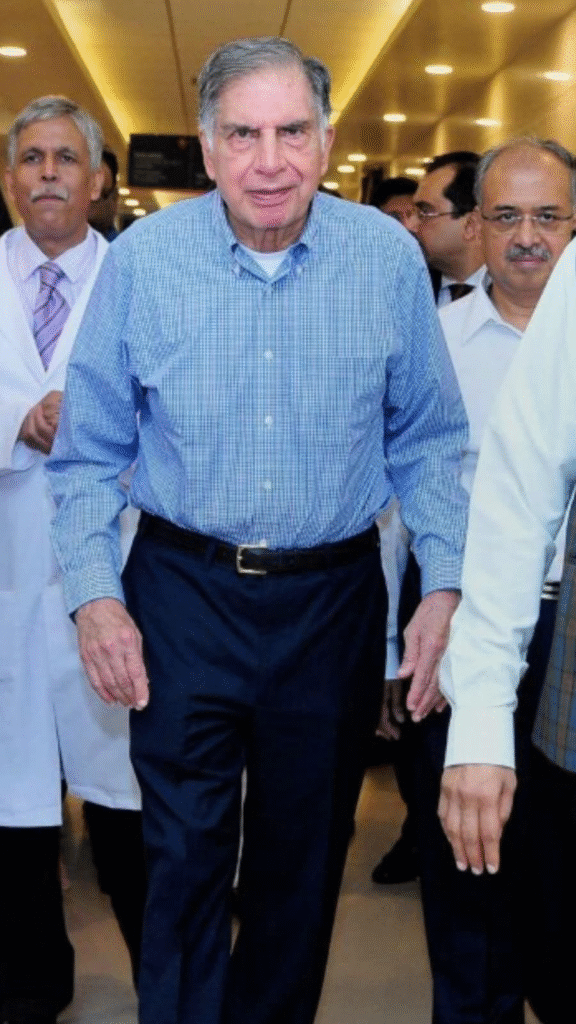
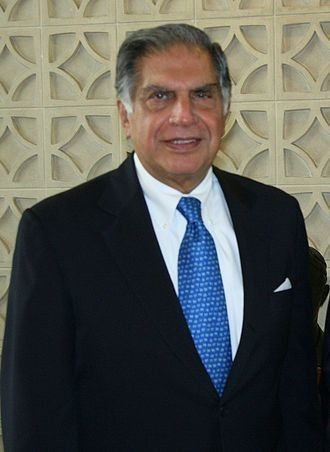
Ratan Tata’s graceful presence and humble demeanor have long been hallmarks of his public image. Standing at about 5 feet 10 inches and weighing approximately 75 kg, he maintains a slim, dignified figure that reflects his disciplined lifestyle. His dark brown eyes convey warmth and thoughtfulness, while his signature grey hair has become symbolic of his wisdom and seniority.
Ratan Tata: Age
As of 2025, Ratan Tata is 87 years old, having been born on December 28, 1937, in Bombay (now Mumbai), India. Over the decades, he has transitioned from an ambitious young heir to the globally respected elder statesman of Indian industry and philanthropy.
Ratan Tata: Height & Weight
Ratan Tata’s physical stature complements his leadership style — tall, yet approachable. He stands about 5 feet 10 inches (178 cm) and maintains a healthy weight of around 165 lbs (75 kg). His slim build and composed demeanor contribute to his calm and elegant public appearance.
Ratan Tata: Eye & Hair Color
Ratan Tata has dark brown eyes, which reflect his thoughtfulness and quiet determination. His hair, once dark, has turned to a distinguished grey over the years, symbolizing decades of experience and wisdom at the helm of the Tata Group and in service of India’s development.
Ratan Tata: Body Type & Personality
Ratan Tata’s slim and reserved figure, coupled with his understated dressing style — typically simple suits or crisp shirts — exemplifies his modesty. Despite his towering stature in the business world, he has always carried himself with humility and grace, earning admiration both at home and abroad.
Ratan Tata: Career Overview
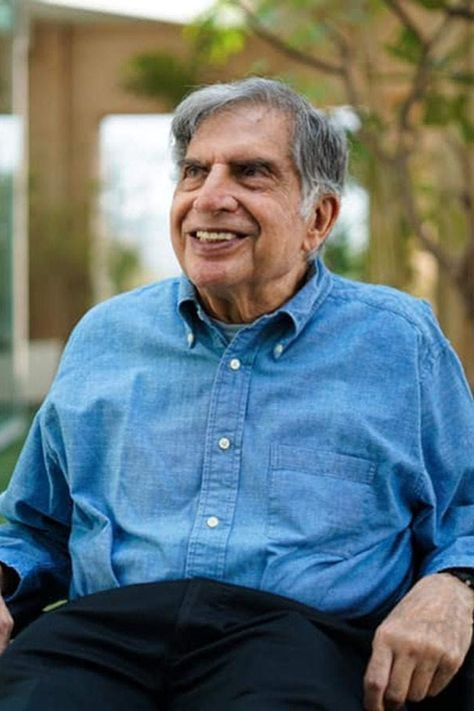
Ratan Tata is one of India’s most respected industrialists and philanthropists, best known as the former chairman of Tata Sons and the Tata Group, India’s largest business conglomerate. His visionary leadership transformed Tata from a largely India-focused group into a global powerhouse.
Early Career
Ratan Tata joined the Tata Group in 1961 as an apprentice on the shop floor of Tata Steel, learning the business from the ground up. Over the next three decades, he held various positions, gaining experience in operations, management, and strategy.
Chairmanship
In 1991, Ratan Tata succeeded J.R.D. Tata as chairman of Tata Sons. Under his leadership, the group expanded internationally, acquiring iconic global brands such as Tetley Tea (UK), Corus Steel (UK), and Jaguar Land Rover (UK). He also spearheaded the creation of the Tata Nano, the world’s most affordable car, symbolizing his vision of making innovation accessible to all.
Post-Retirement
Ratan Tata retired as chairman of Tata Sons in 2012, though he continues to serve as Chairman Emeritus and remains actively involved in guiding the group and its charitable trusts. He is also a prominent angel investor in Indian startups and advocates for social development, healthcare, and education through the Tata Trusts.
Recognition
Ratan Tata has been awarded the Padma Bhushan (2000) and the Padma Vibhushan (2008), India’s third and second highest civilian honors, for his contributions to trade and industry.
Ratan Tata: Net Worth
As of 2025, Ratan Tata’s personal net worth is estimated at around $1 billion. However, the true influence of his wealth lies in the Tata Trusts, which collectively own about two-thirds of Tata Sons and fund billions of dollars in philanthropic work annually. Ratan Tata is known for his belief that wealth should serve the greater good, and he personally lives a modest lifestyle compared to his vast resources.
Ratan Tata: Marriage & Family
Ratan Tata is not married and does not have any children. He has publicly shared that he came close to marriage on more than one occasion, but circumstances — including family expectations and timing — led him to remain single. Despite this, he has always maintained strong personal connections and is deeply committed to his extended family and the Tata legacy.
He is the son of Naval Tata and Sooni Tata, who separated during his childhood. He and his younger half-brother, Noel Tata, share a close bond, while his other brother, Jimmy Tata, leads a private life away from public attention. Raised by his grandmother Lady Navajbai Tata, Ratan Tata often speaks of her influence on his character and values.
Today, Ratan Tata continues to inspire millions with his integrity, humility, and dedication to social causes, embodying the principles of the Tata Group’s founder, Jamsetji Tata.
Ratan Tata: Educational Background
Ratan Tata’s educational journey is a testament to his curiosity and commitment to excellence. After completing his early schooling in Mumbai, he moved abroad for higher education. He attended Cornell University in Ithaca, New York, where he earned a degree in architecture and structural engineering in 1962.
Initially interested in architecture, he later realized his true calling lay in business leadership. To further hone his managerial skills, he completed the prestigious Advanced Management Program at Harvard Business School in 1975. His time at Cornell and Harvard not only gave him technical and managerial expertise but also shaped his global outlook and sense of social responsibility — qualities that defined his transformative leadership at the Tata Group.
Ratan Tata: Biography
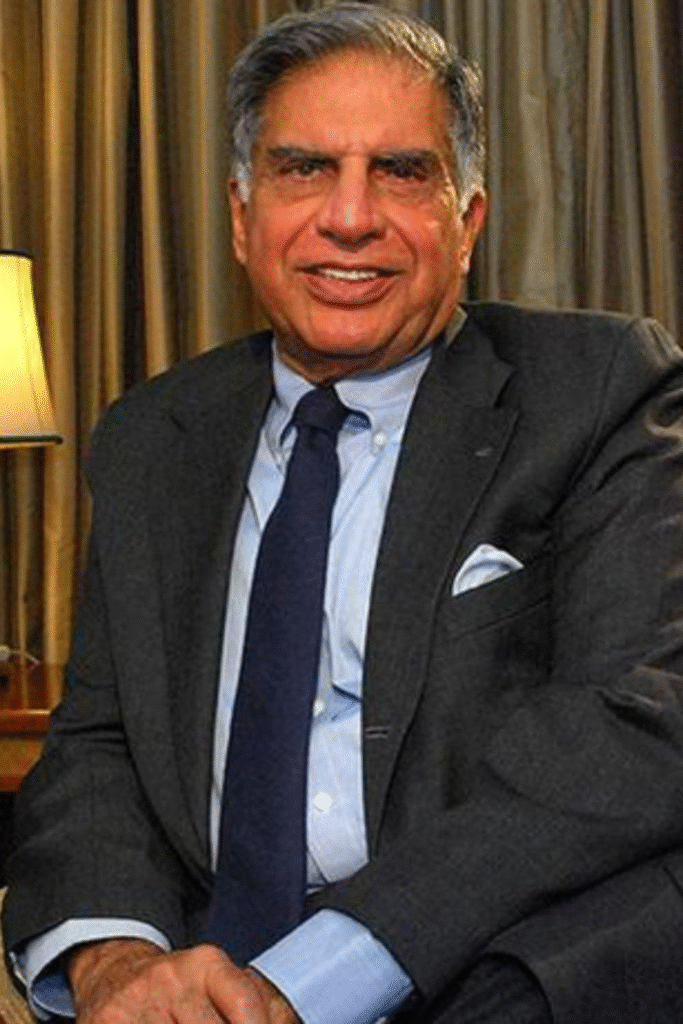
Ratan Naval Tata was born on December 28, 1937, in Bombay (now Mumbai), India. He was born into the prominent Tata family, the founders of the Tata Group. His parents, Naval Tata and Sooni Tata, separated when he was young, and Ratan was raised by his grandmother, Lady Navajbai Tata, who instilled in him values of integrity, humility, and service. Ratan grew up alongside his half-brother Noel Tata, with whom he shares a close bond, and his estranged brother Jimmy Tata, who leads a private life.
Ratan showed early interest in architecture and design. He studied at the Cathedral and John Connon School in Mumbai before moving to the U.S. for higher education. He earned a degree in architecture from Cornell University and later completed an advanced management program at Harvard Business School, equipping him with the skills to lead the family business.
After joining the Tata Group in 1961, Ratan started as an apprentice on the Tata Steel shop floor, learning the business from the ground up. In 1991, he succeeded J.R.D. Tata as chairman of Tata Sons and led the group through a remarkable phase of global expansion. Under his leadership, the group acquired international brands like Tetley Tea, Corus Steel, and Jaguar Land Rover, and launched the world’s most affordable car, the Tata Nano. He stepped down as chairman in 2012, though he remains active as Chairman Emeritus and continues to guide the Tata Trusts in philanthropic initiatives.
Beyond business, Ratan Tata is admired for his philanthropy and simplicity. He has received India’s top civilian awards, the Padma Bhushan and Padma Vibhushan, in recognition of his contributions to industry and society. Known for his quiet determination and ethical leadership, Ratan Tata has become one of India’s most respected figures. As of 2025, his personal net worth is estimated at $1 billion, while the Tata Trusts he oversees continue to donate billions to charitable causes.
Ratan Tata: Social Media Accounts
| Platform | Username |
|---|---|
| @ratantata | |
| Twitter (X) | @RNTata2000 |
| Ratan Tata |
Taking Over the Tata Group
In 1991, when J.R.D. Tata stepped down as chairman of the Tata Group, he chose Ratan Tata as his successor. At that time, many people doubted his ability to lead such a vast empire. The Tata Group was made up of more than 100 companies, many of them scattered and underperforming.
But Ratan Tata was not afraid. He quietly but firmly restructured the group, brought focus to its operations, and made it more global and competitive.
One of his biggest moves was to unify all Tata companies under the Tata brand and make it a name synonymous with trust, quality, and integrity.
Making India Proud on the Global Stage
Ratan Tata believed that Indian companies could compete with the best in the world. Under his leadership, the Tata Group made bold acquisitions that shocked the global business world:
✅ In 2000, Tata Tea bought Tetley, a British tea company — a proud moment when an Indian company bought a British giant.
✅ In 2007, Tata Steel acquired Corus, Europe’s second-largest steelmaker.
✅ In 2008, Tata Motors bought Jaguar and Land Rover, two iconic British car brands.
Many critics thought these were risky moves. But Ratan Tata proved everyone wrong. Jaguar Land Rover, which was struggling at the time, turned into a profitable and respected brand again under Tata’s leadership.
The Dream Called Nano
Perhaps the most emotional chapter of his career is the story of the Tata Nano — the world’s cheapest car. The idea came to him when he saw a family of four riding dangerously on a scooter in the rain. He wanted to create a safe, affordable car for the common Indian.
He worked tirelessly to make this dream a reality. When land acquisition protests in West Bengal forced the company to leave its factory site overnight, Ratan Tata stood strong and moved the project to Gujarat, where the car was finally launched in 2008.
Though the Nano didn’t succeed commercially, it showed Ratan Tata’s deep concern for ordinary people and his willingness to take risks for what he believed was right.
A Man with a Golden Heart
What truly makes Ratan Tata special is his kindness and humility. Despite his enormous wealth and power, he lives a simple life. He doesn’t own fancy yachts or private jets, and he never married because he believed he wouldn’t be able to give his partner enough time.
He is known for quietly helping people in need. For example:
🌟 After the 26/11 Mumbai terror attacks, he personally visited the injured, supported the families of victims, and ensured no employee of the Taj Hotel lost their job.
🌟 He funded education for countless underprivileged children through the Tata Trusts.
🌟 During the COVID-19 pandemic, he donated generously to help the nation fight the crisis.
He once said, “I don’t believe in making money for money’s sake. I believe in making money so that it can be used to make a difference.”
Leadership with Compassion
Ratan Tata’s leadership style is unique. He believes in trust, respect, and treating employees like family. His humility earns him not just admiration, but love from people across India and the world.
He often said:
“None can destroy iron, but its own rust can. Likewise, none can destroy a person, but his own mindset can.”
This philosophy guided him through many challenges.
Retirement: A Legacy of Love
In 2012, Ratan Tata retired as chairman of the Tata Group, leaving behind a stronger, more respected, and more global company. Even in retirement, he continues to inspire entrepreneurs, support startups, and serve society through the Tata Trusts.
People still line up just to shake his hand, take a photo, or say thank you for everything he has done for India.
Why People Love Him
✅ He is humble despite his success.
✅ He cares deeply about people, not just profits.
✅ He believes in ethical business and social responsibility.
✅ He never forgets his roots and remains grounded.
Unlike many billionaires, Ratan Tata chose to use his wealth and power to uplift others. That is why people don’t just respect him — they love him.
Lessons from Ratan Tata’s Life
📌 Stay humble, no matter how successful you become.
📌 Take care of the people who work for you — they are your real strength.
📌 Money is a tool to make a difference, not just a goal.
📌 Never give up on your dreams, even if others doubt you.
📌 Lead with kindness and courage.
Interesting Facts About Ratan Tata
- Ratan Tata was born on December 28, 1937, in Bombay (now Mumbai), India.
- He belongs to the prominent Tata family, a leading name in Indian industry and philanthropy.
- Ratan was raised by his grandmother Lady Navajbai Tata after his parents separated when he was young.
- He studied architecture at Cornell University and completed an advanced management program at Harvard Business School.
- Ratan Tata joined the Tata Group in 1961, starting at the shop floor level at Tata Steel.
- He became the chairman of Tata Group in 1991 and led its transformation into a global conglomerate.
- Under his leadership, Tata acquired global brands like Jaguar Land Rover, Tetley Tea, and Corus Steel.
- He spearheaded the launch of the Tata Nano, once the world’s cheapest car.
- Ratan Tata never married, though he has spoken about coming close to marriage in his younger years.
- He is known for his humility and simplicity despite his immense wealth and influence.
- Ratan Tata is a licensed pilot and has flown fighter jets, even piloting an F-16 at the age of 78.
- He has been honored with India’s highest civilian awards, the Padma Bhushan (2000) and Padma Vibhushan (2008).
- He is deeply committed to philanthropy through the Tata Trusts, which donate billions annually to health, education, and rural development.
- Ratan Tata is admired worldwide for his ethical leadership and vision.
- As of 2025, his personal net worth is estimated at around $1 billion, though much of Tata wealth is held in charitable trusts.
Ratan Tata – Final Words
Ratan Tata’s life is a shining example of visionary leadership, humility, and dedication to societal good. From his humble beginnings as an apprentice on the factory floor to becoming the head of India’s largest conglomerate, Ratan Tata redefined Indian business on a global scale. His acquisitions, innovations, and commitment to social responsibility have left an indelible mark on industry and philanthropy alike.
Despite his wealth and stature, he is known for his quiet dignity, modesty, and hands-on approach. Even after retiring as chairman, Ratan Tata continues to inspire younger generations, showing that success is not just measured in profits but in the positive impact one creates. His story is not only about building an empire but also about using power to uplift others, making him a role model in India and beyond. As he continues to serve as a mentor, investor, and philanthropist, Ratan Tata remains a beacon of integrity and service. His journey teaches us that great leaders are remembered not for what they have, but for what they give.
FAQs About Ratan Tata
Who is Ratan Tata?
Ratan Tata is an Indian industrialist, former chairman of Tata Group, and a renowned philanthropist.
How old is Ratan Tata?
Ratan Tata was born on December 28, 1937, making him 87 years old in 2025.
What is Ratan Tata’s net worth?
As of 2025, his personal net worth is estimated at around $1 billion.
Where is Ratan Tata from?
He was born and raised in Bombay (Mumbai), India.
What is Ratan Tata’s full name?
His full name is Ratan Naval Tata.
Is Ratan Tata married?
No, Ratan Tata has never married.
What is Ratan Tata’s height and weight?
Ratan Tata stands about 5 feet 10 inches (178 cm) tall and weighs around 75 kg.
What are Ratan Tata’s social media accounts?
He is active on Instagram (@ratantata), Twitter (@RNTata2000), and LinkedIn (Ratan Tata).
Has Ratan Tata received any awards?
Yes, he has received the Padma Bhushan and Padma Vibhushan, two of India’s highest civilian honors.
What companies did Ratan Tata acquire?
Under his leadership, Tata Group acquired Jaguar Land Rover, Tetley Tea, Corus Steel, among others.
Does Ratan Tata have siblings?
Yes, he has a half-brother Noel Tata and an estranged brother Jimmy Tata.
What is Ratan Tata’s religion?
He belongs to the Parsi community and follows Zoroastrianism.
How did Ratan Tata become famous?
He became famous for transforming Tata Group into a global powerhouse while maintaining its strong focus on ethics and philanthropy.
Is Ratan Tata involved in charity?
Yes, through Tata Trusts he oversees massive charitable initiatives in health, education, and rural development.
What is Ratan Tata’s zodiac sign?
His zodiac sign is Capricorn.
